

Step 01
We walk the space with you
On site, not over the phone. We take precise measurements, read the grade, the drainage and the sun angle, and talk through what you are picturing until there is a plan that actually fits the house.
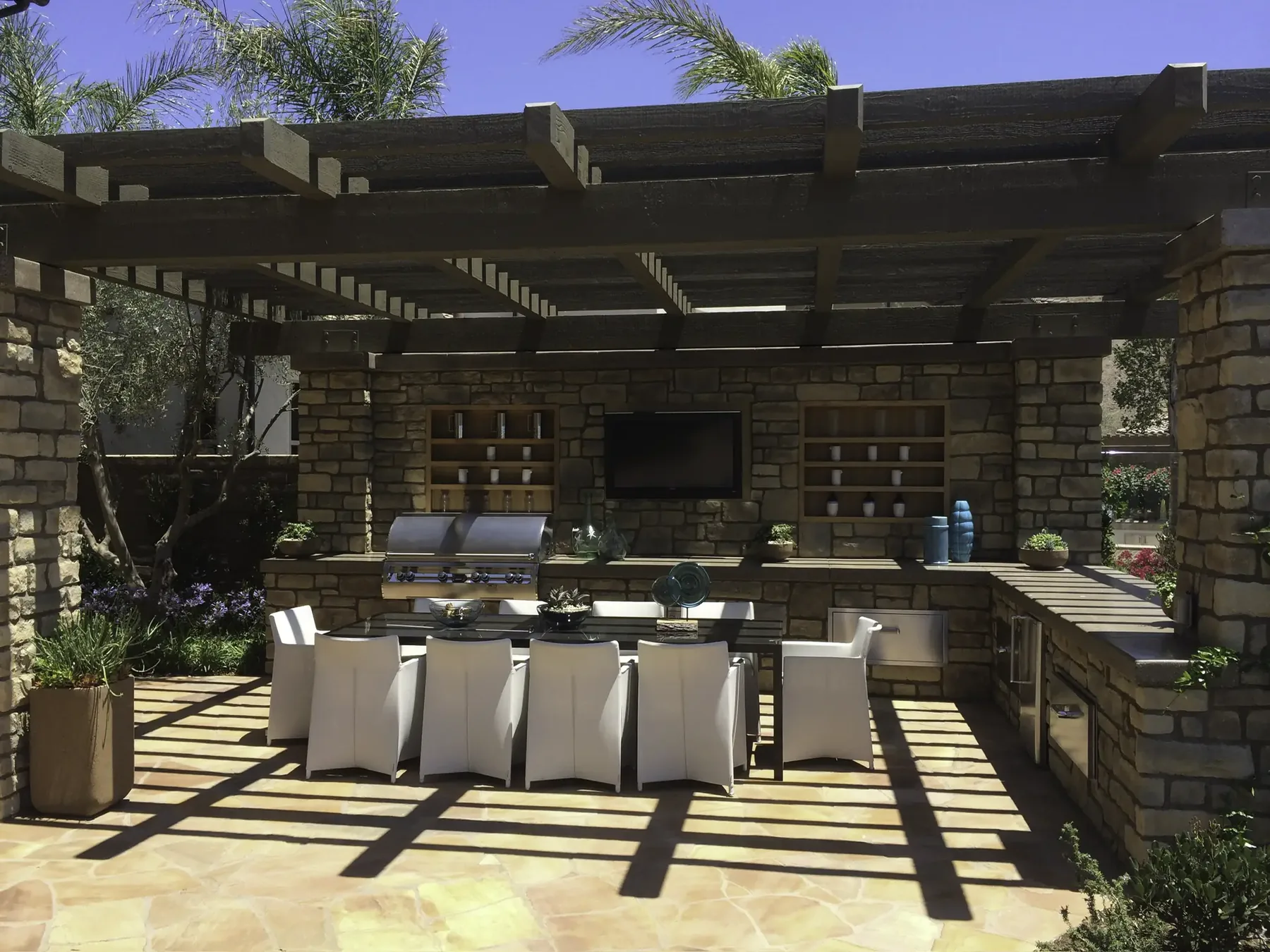
Heavy timber framing, pavilions and overhead patio structures, custom decks, specialty dock repair, and true carpentry — including interior and exterior reclaimed barn wood. Mineral Wells through Weatherford to Dallas–Fort Worth.
DC Signature Woodworks is a timber framing and fine carpentry company working out of Mineral Wells, across Parker and Palo Pinto counties and on into the Dallas–Fort Worth metroplex. We build heavy timber structures, entry gates, pavilions and pergolas, custom decks and patios, and we carry out barndominium build-outs and dock restoration across the North Texas lakes.
What ties it together is the method. We build around the joint rather than around the fastener, we size what goes underground for the soil that is actually on your lot, and we treat the parts nobody sees as the parts that decide how the structure looks in year ten. The frame is meant to be seen, so every joint is finish work.
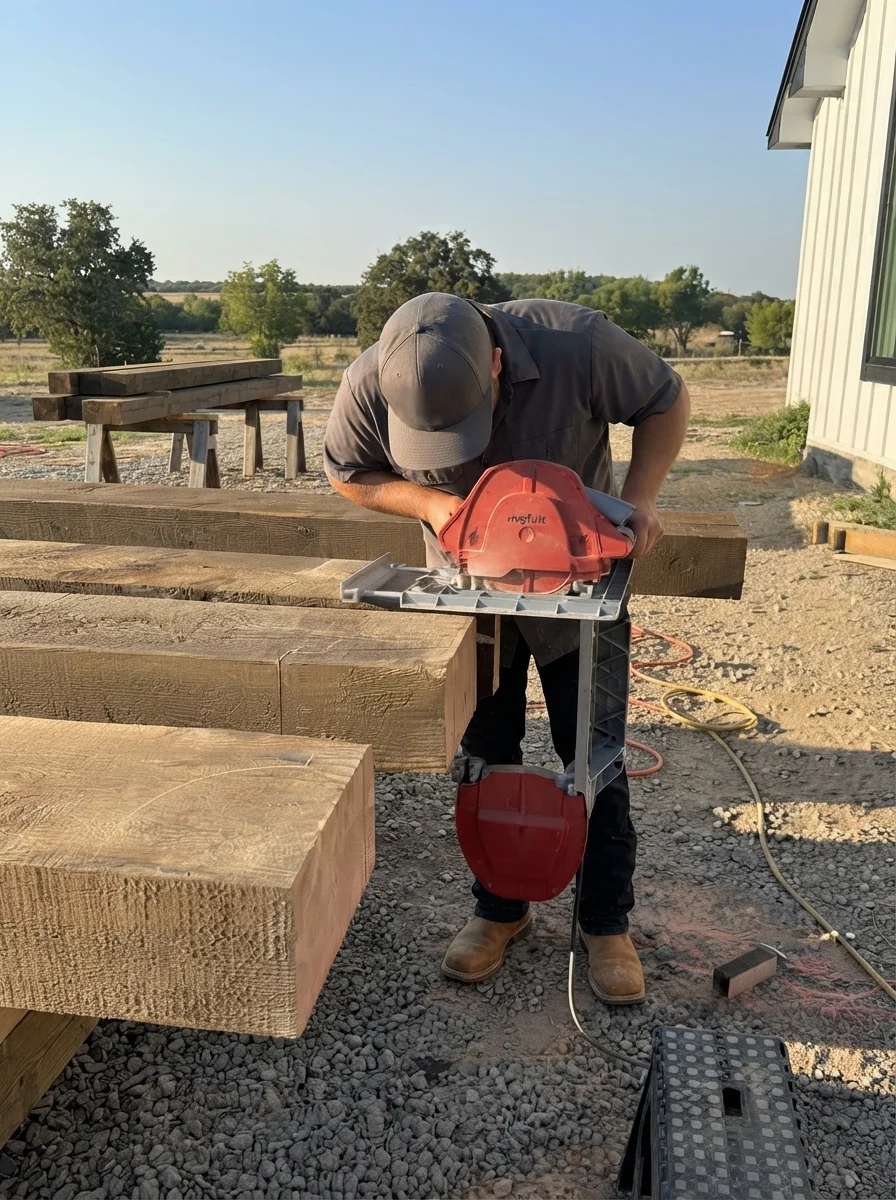
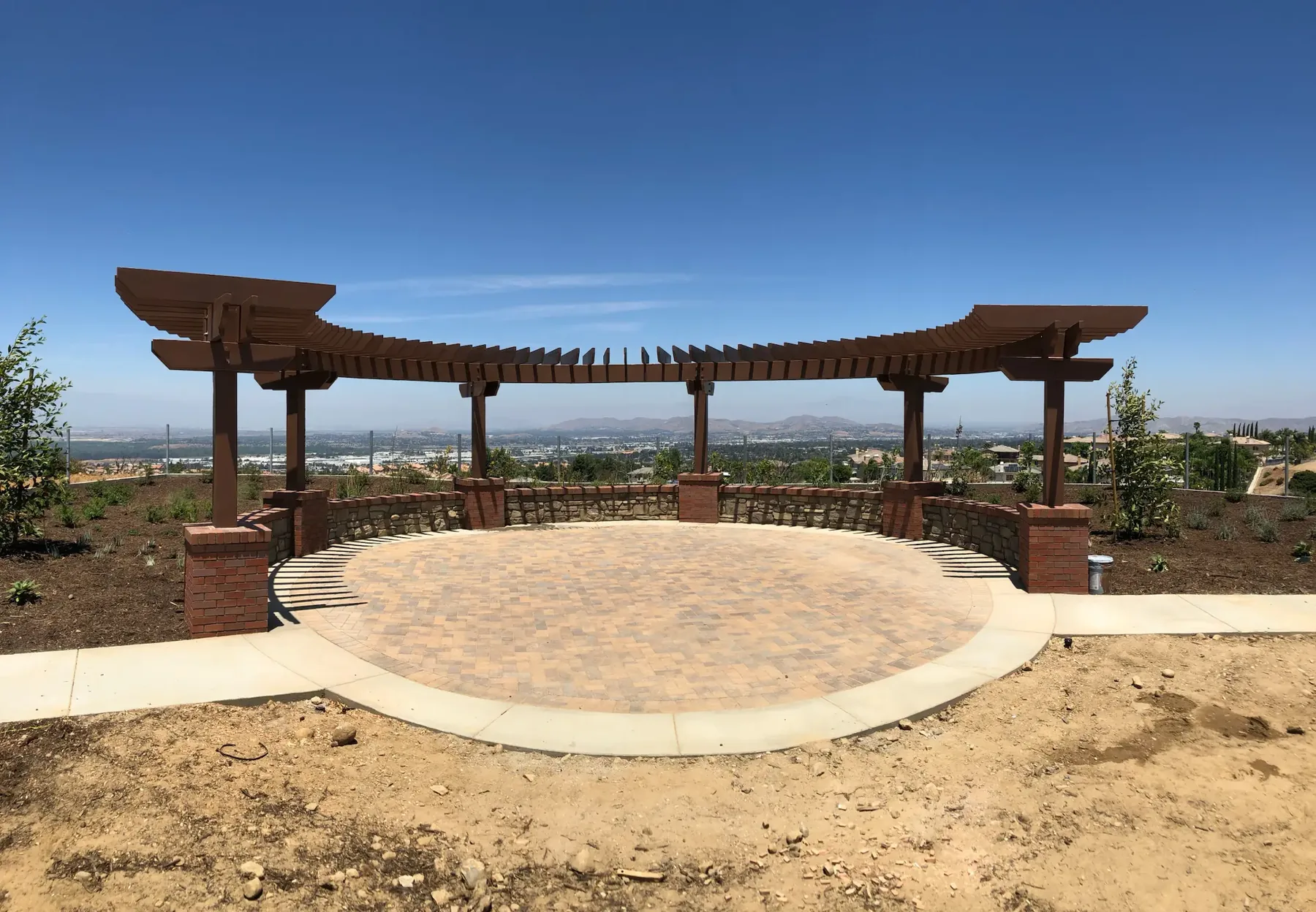
Custom timber structures and outdoor living, built to outlast the ground they stand on.
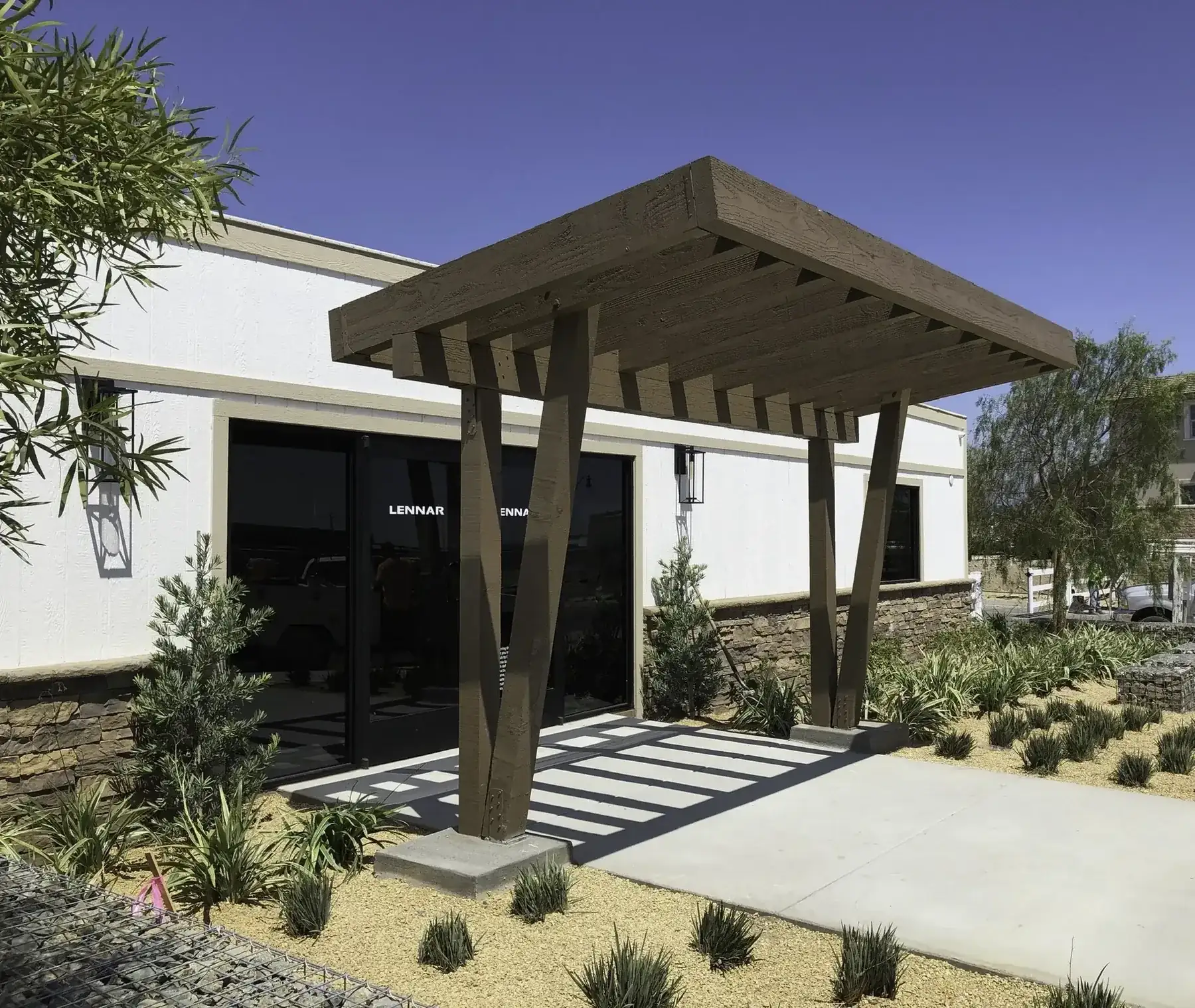
Heavy timber framing, long-span pavilions, entry structures and barndominium build-outs.
Explore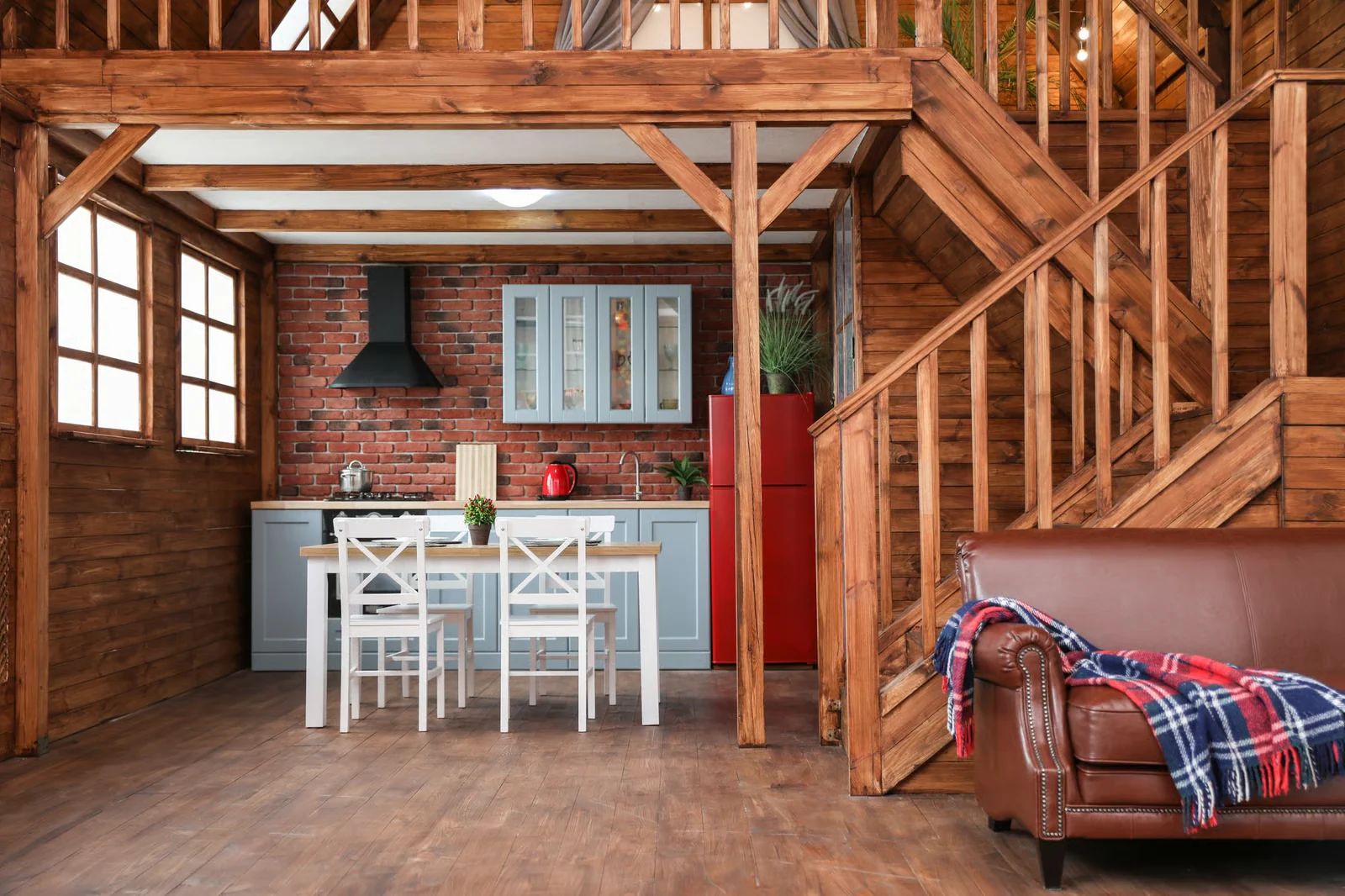
Interior build-outs for metal buildings — timber frames, vaulted ceilings, stairs, fireplaces and cabinetry.
Explore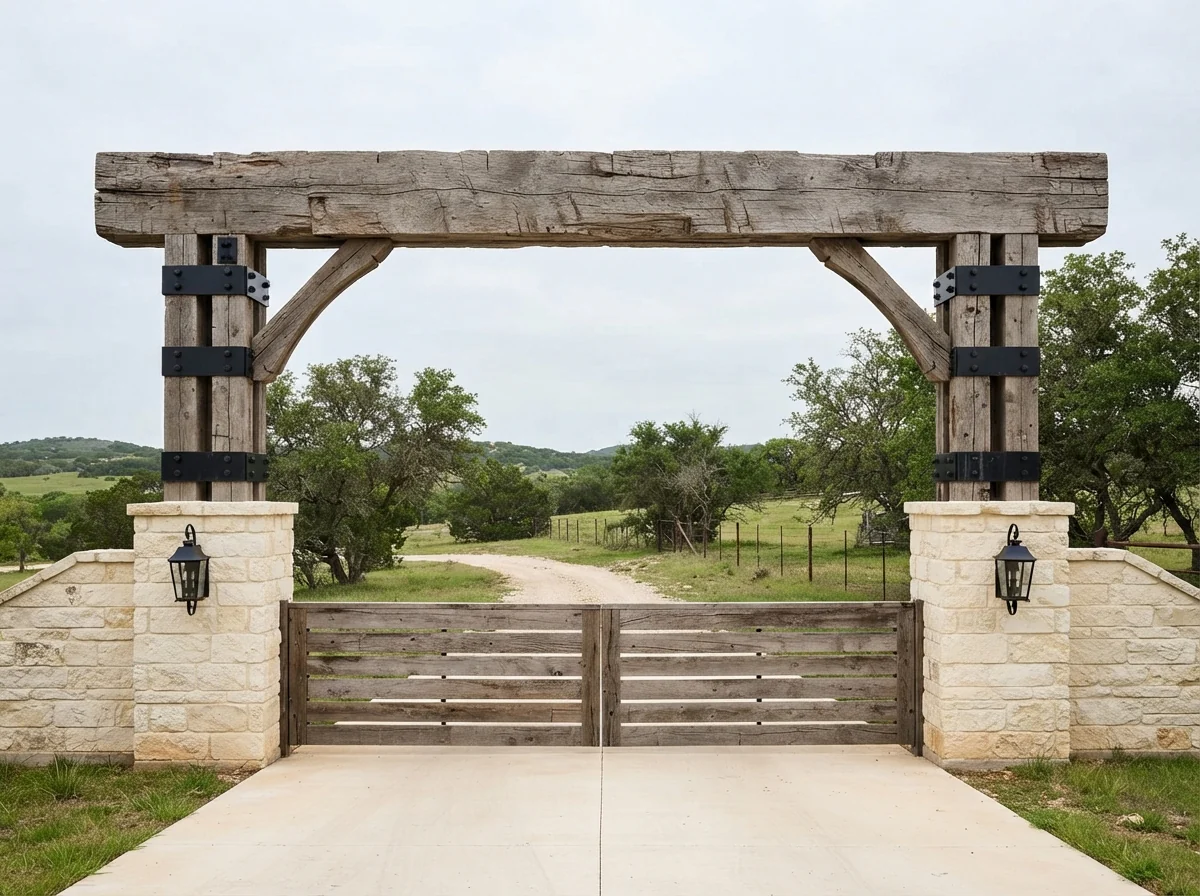
Ranch entrances, gated drives and development entries in heavy timber, built not to sag.
Explore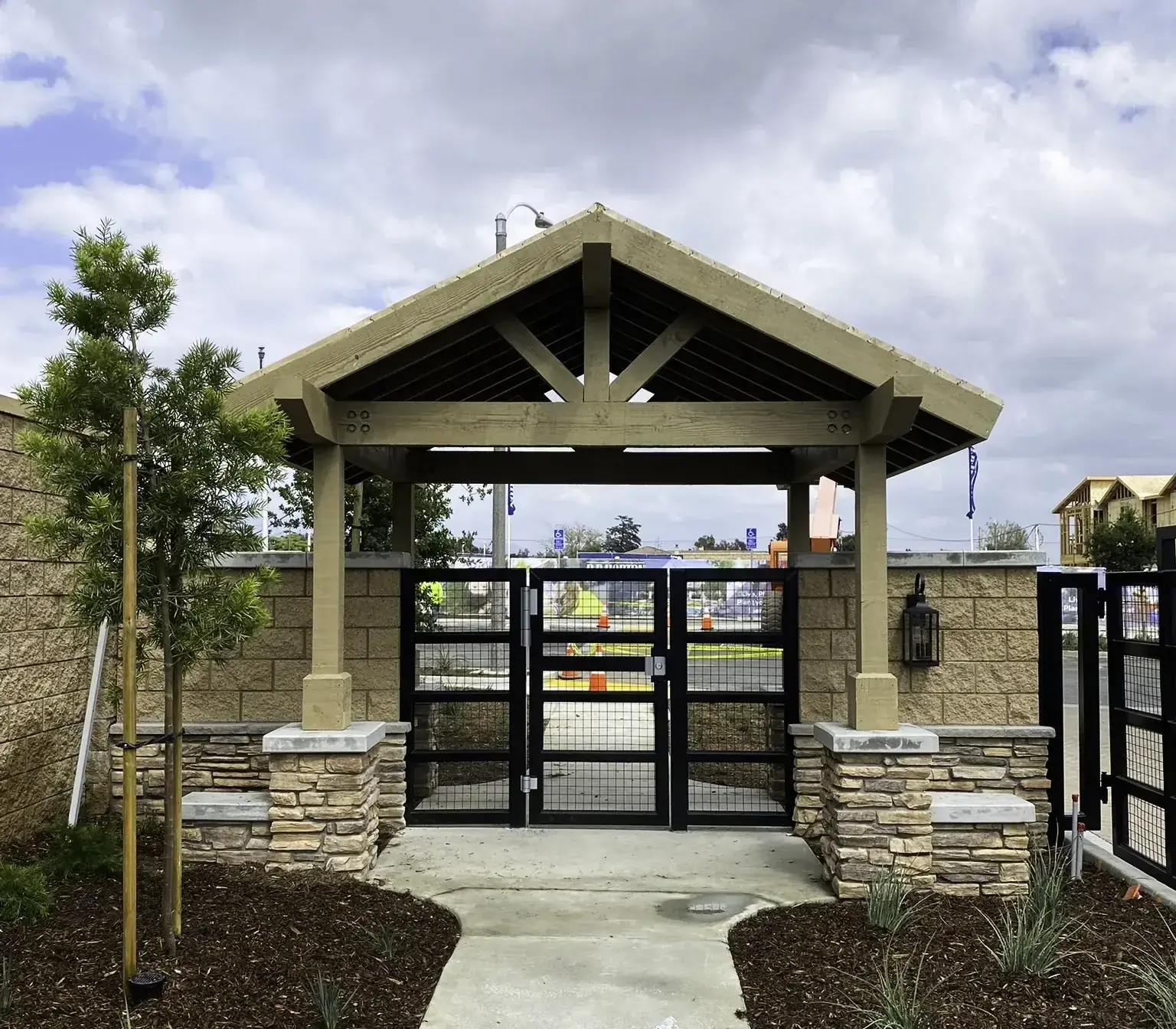
Heavy timber pavilions, cedar pergolas, attached covers and tongue-and-groove ceilings.
Explore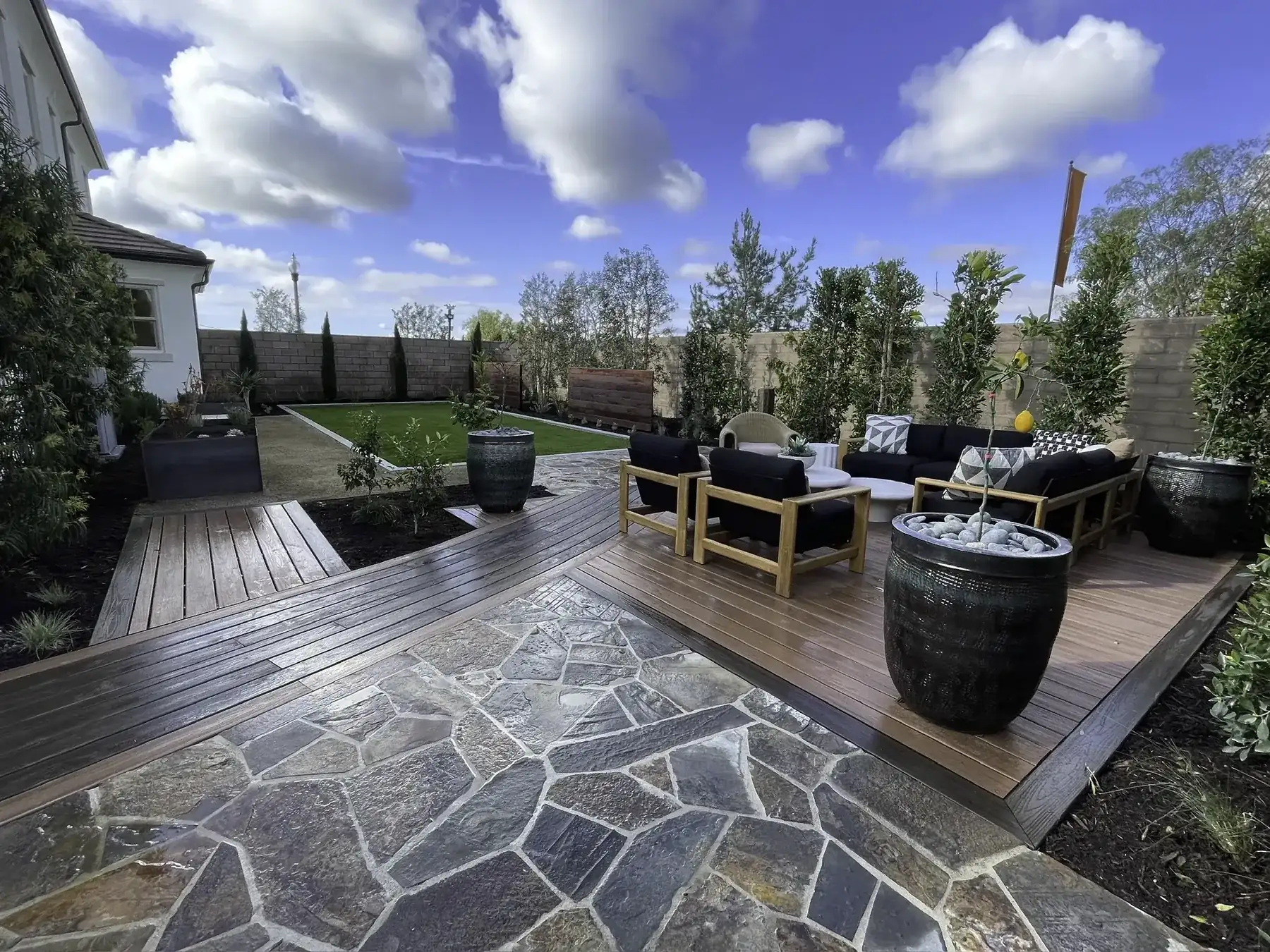
Cedar, ipe, composite and multi-level builds, including radius and curved work.
Explore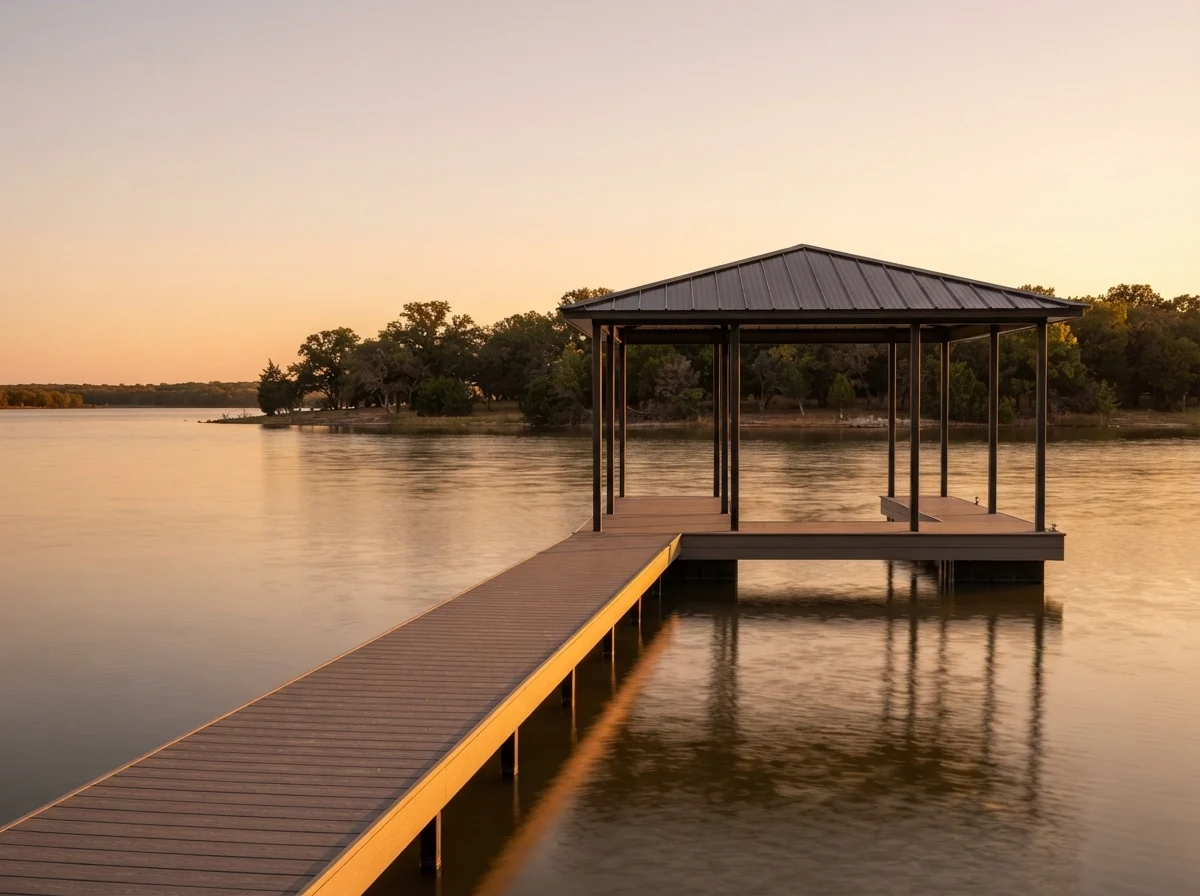
Re-decking, structural repair, storm damage and interior remodeling on docks of all types.
Explore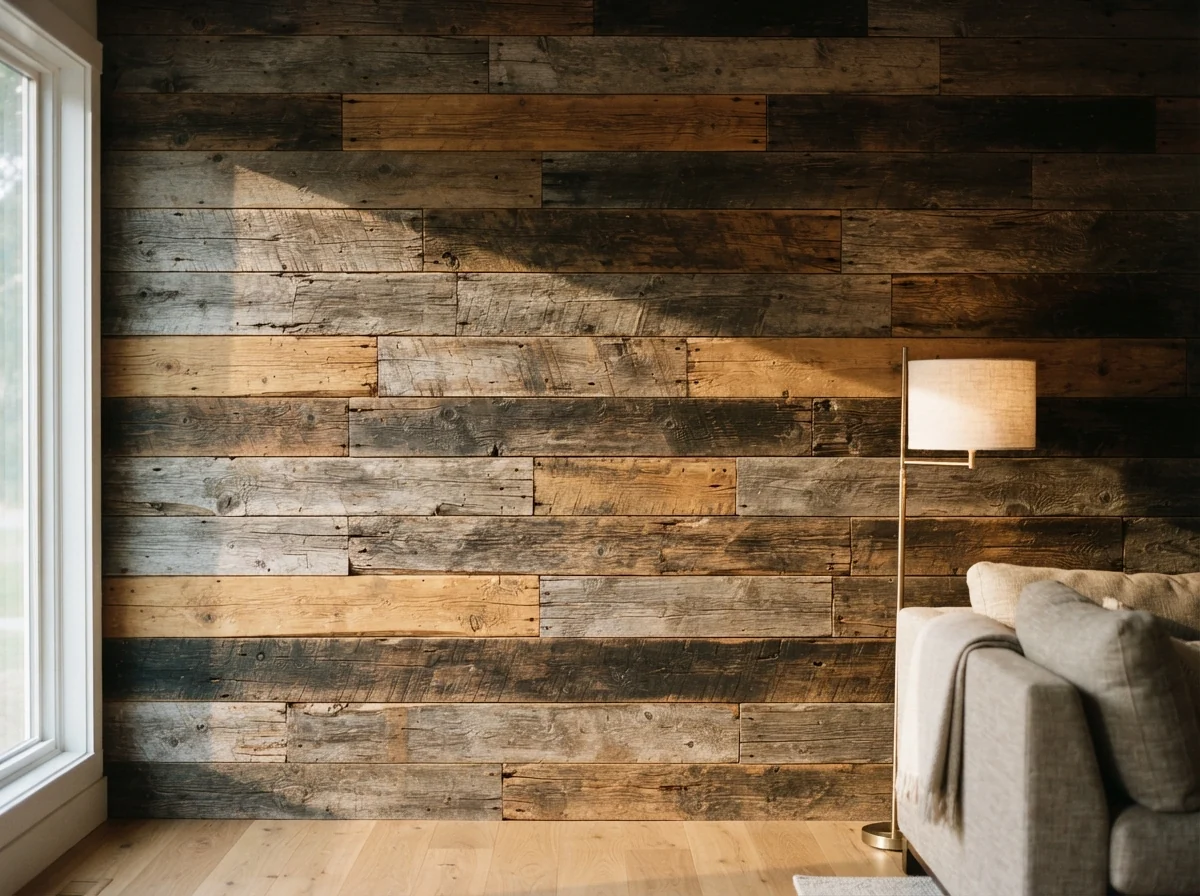
Accent walls, ceilings, beams, mantels and doors in salvaged timber — or new beams aged to match.
Explore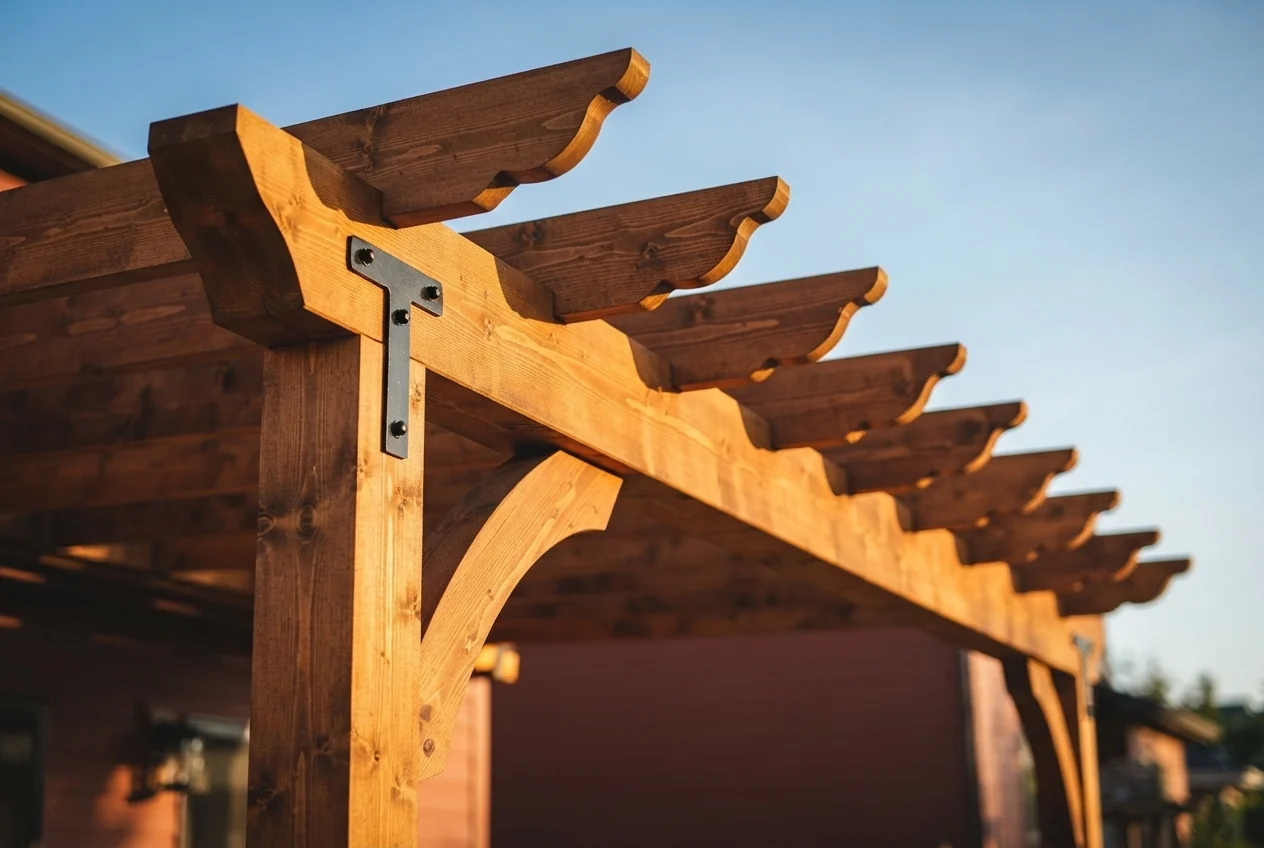
Hand cut corbels, knee braces and custom box beams for homeowners, contractors and lumberyards.
ExploreHeavy timber, cedar, hardwood and composite. The kinds of structure we build, and what goes into each one.
Clear-span cedar and fir frames, cut and pegged on the ground and raised as a unit.
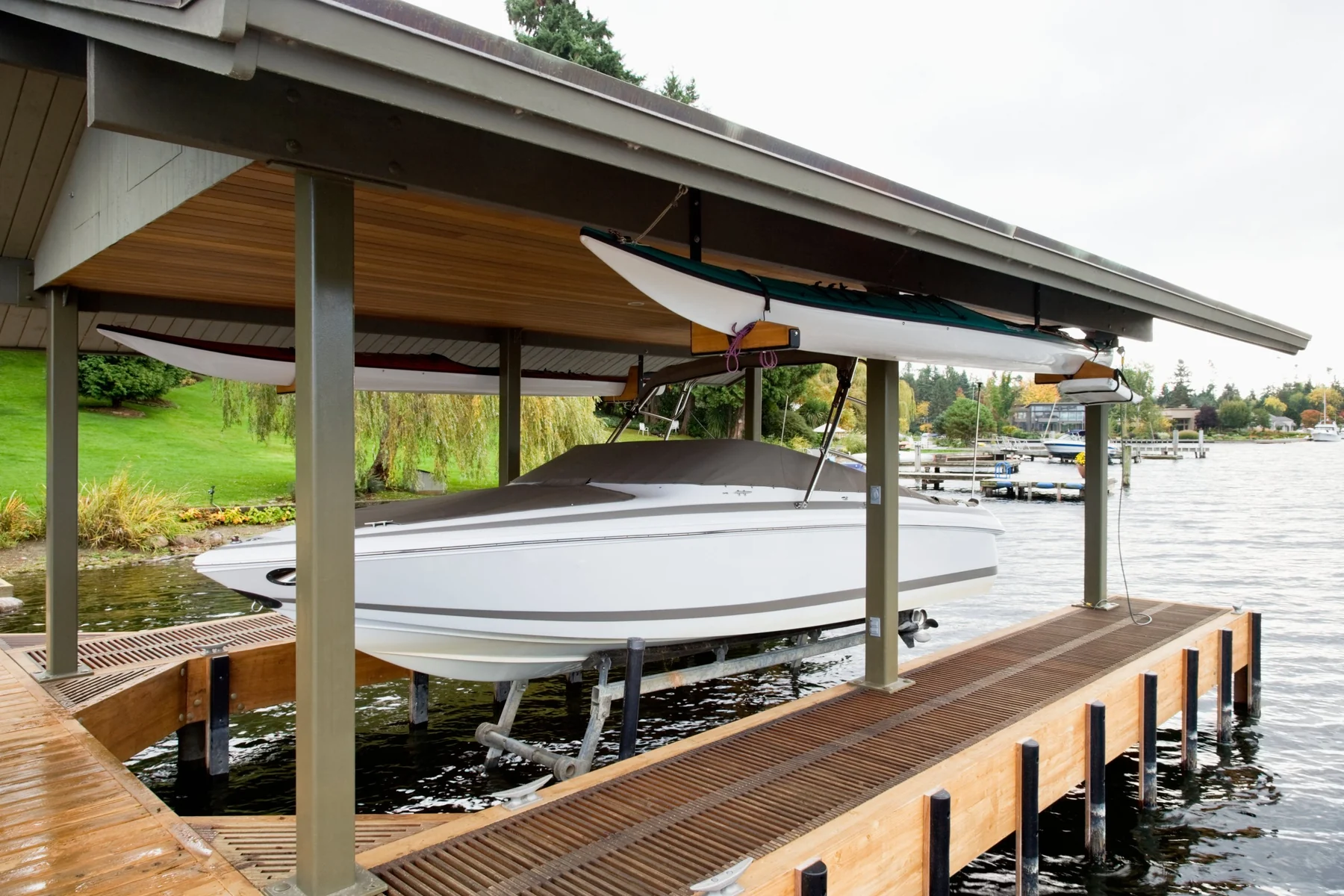
Re-decking in marine composite, with the structural repair at the waterline done while it is open.
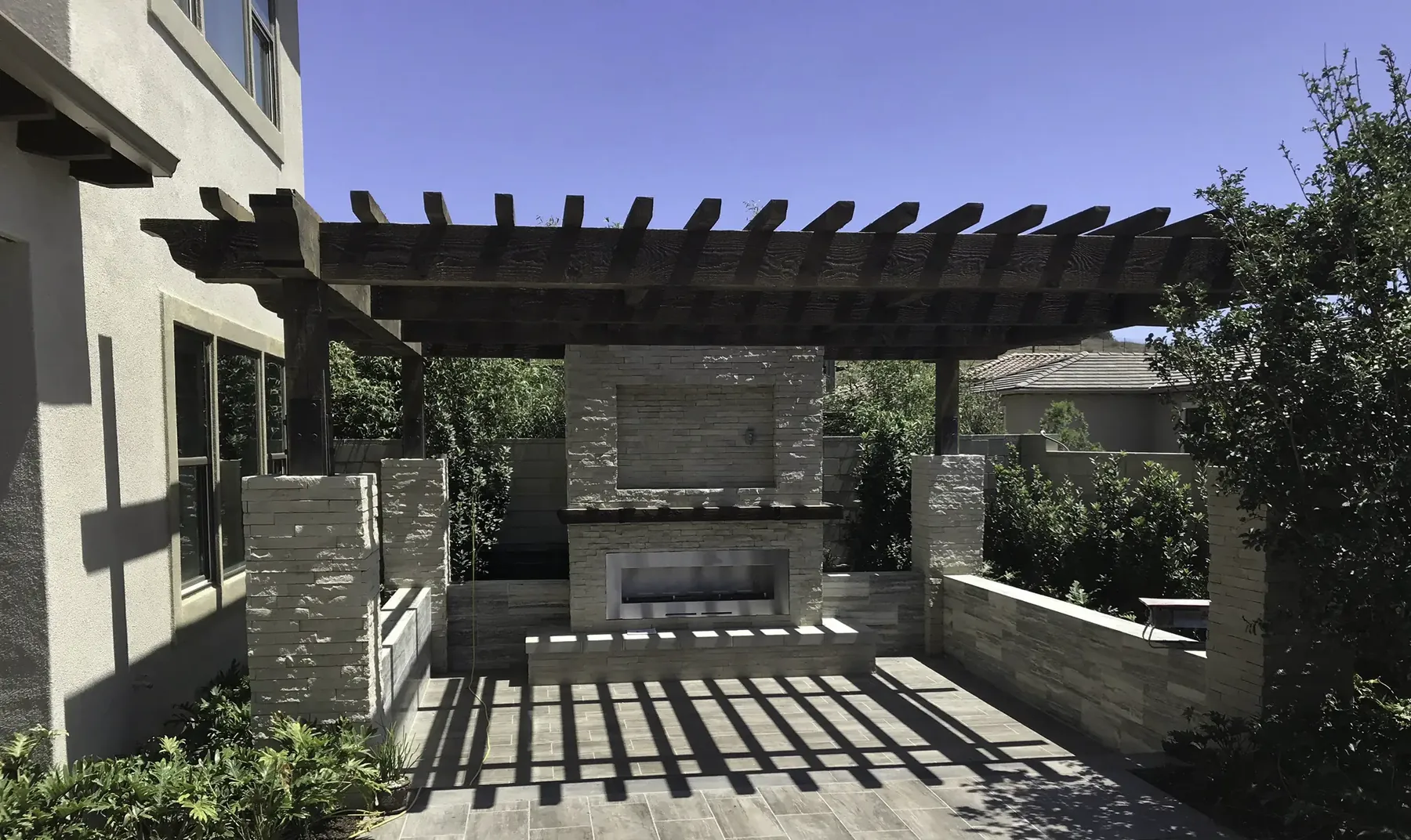
Tied into the existing roofline and flashed properly, so the junction does not become a water problem.
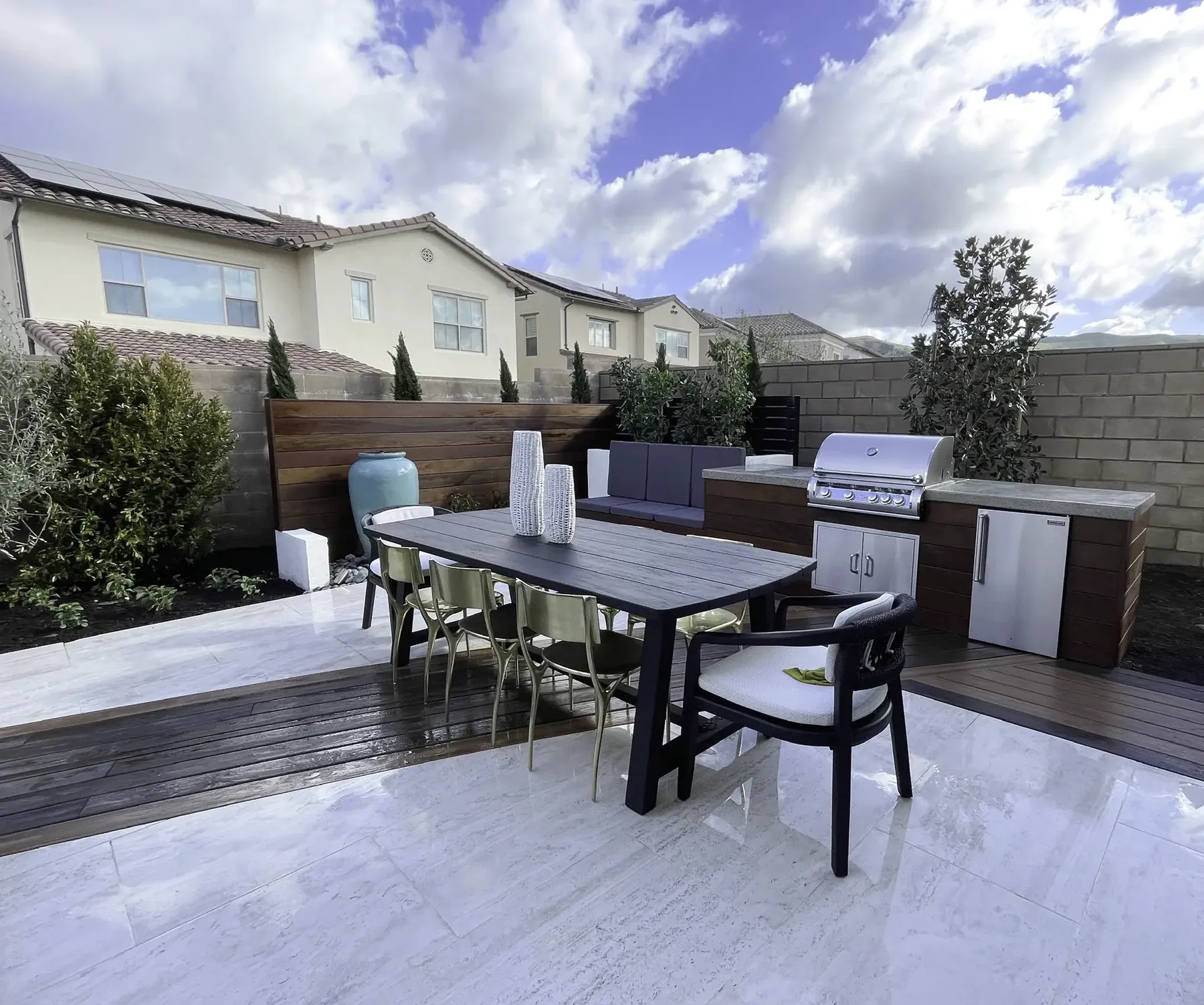
Multi-level decks that follow the slope, on footings sized for your soil.
No mystery pricing, no number that moves once the job starts, and no discovering at the end that permits were your problem.
Keep scrolling to explore“They set our posts deeper than the last company and took the time to explain why: the soil here shifts a lot. Three summers later, the pavilion is still perfectly straight.”
“We collected three bids. Two companies sent a number. This team sent a drawing, a side-by-side material comparison and a start date, and they started on that exact day.”
“The permit was the part I was dreading most. They’d already done dock work on this lake, so they took care of all the paperwork for us.”
We are based in Mineral Wells, in Palo Pinto County, and we work the whole corridor east: Weatherford, Parker County, Fort Worth and on into the Dallas–Fort Worth metroplex. Dock repair and restoration goes wherever the lake is.
Lake work is its own discipline. Every reservoir answers to a different authority. Possum Kingdom is on our doorstep and the Brazos River Authority still permits work there, while Lewisville and Grapevine are closed to new dock construction entirely, which makes looking after the existing structures the whole job.
We are based in Mineral Wells and work the corridor east — Weatherford, Parker County and Fort Worth — and on into the Dallas–Fort Worth metroplex: Dallas, Plano, McKinney, Southlake, Colleyville, Grapevine, Flower Mound, Denton, Keller and the surrounding cities. Barn and timber work regularly takes us further out across Palo Pinto, Jack, Wise, Erath and Hood counties, and dock repair goes wherever the lake is. If you're not sure whether you're in range, call and ask.
Yes. We come out, measure, talk through options and give you a scaled drawing and a fixed quote at no cost. There's no obligation and nobody will chase you afterwards.
No. We repair, restore and rebuild existing ones. On Lake Lewisville and Lake Grapevine that covers the whole market anyway, because the Corps of Engineers does not permit new dock construction on either lake.
Heavy timber is a different system from conventional framing — a few very large members joined directly to one another, usually with mortise and tenon pegged through with hardwood, rather than many small members held together with metal plates. You would choose it for a long clear span, for a structure meant to be looked at, or for something you intend to still be standing in a hundred years. It costs more than framing a shed roof, and we will tell you plainly when your project does not need it.
Yes, inside and out — accent walls, ceilings, beams, mantels, doors, cabinetry and exterior siding. We work in genuine salvage where the character has to be real and the quantity is manageable, and we age new heavy timber by hand where the spans or the volume make salvage impractical. Often both in the same room, matched to each other.
That is most of the corbel work we do. If one survives we take a template straight off it; if none does we can work from a clear photograph with something of known size in frame. Stock corbels are made to a size that ships well rather than to the scale of your beam, which is why they look bought. We cut for homeowners, contractors and lumberyards, and we build custom box beams the same way.
Yes, as part of the job. Permit requirements differ sharply between DFW cities. Dallas exempts decks under 30 inches above grade while Fort Worth requires a permit over six inches, and lake structures answer to entirely separate authorities. Knowing which rules apply to your address is our job, not yours.
We carry full liability insurance and we'll show you the certificates without being asked. On the licensing question, the honest answer is the one a lot of contractors avoid: Texas does not issue a state license for general contractors, remodelers, carpenters or deck builders. The state licenses plumbers, electricians, HVAC and irrigation, and that is the list. So if someone tells you they are a licensed deck builder in Texas, ask them which license. What you should actually be checking is insurance, registration with the city your job is in — several DFW cities will not issue a permit to an unregistered contractor — and, for lake work, the specific coverage the water authority requires before anything can even be submitted.
Tell us what you're picturing. We'll come measure, talk through materials, and put a real number on it. No charge, no pressure.
We'll come measure, talk through materials honestly, and give you a fixed number. It costs nothing and nobody will chase you afterwards.